Resources to help you build, scale, and win in cybersecurity


Turning Risk & Compliance Into Revenue
An MSP’s guide to building profitable cybersecurity services with a proven sales playbook, revenue models, and a 90-day launch plan.
Turning Risk & Compliance Into Revenue
An MSP’s guide to building profitable cybersecurity services with a proven sales playbook, revenue models, and a 90-day launch plan.

Vulnerability and Patch Management
Vulnerability Management covers the complete cycle of identifying, classifying, analyzing and mitigating security vulnerabilities in an organization’s IT environment (computer systems, devices, applications), with the end goal of closing security gaps and reducing cyber risk.
Vulnerability and Patch Management
Vulnerability Management covers the complete cycle of identifying, classifying, analyzing and mitigating security vulnerabilities in an organization’s IT environment (computer systems, devices, applications), with the end goal of closing security gaps and reducing cyber risk.

Data-Centric Cyber Risk Management
Security leaders have long agreed that implementing a well thought-through defense-in-depth strategy can significantly reduce an organization’s risk of data loss and prevent successful cyber-attacks. A multi-layer approach to security acknowledges that a cyber-attack involves multiple stages, from getting initial access to a company’s environment, to lateral movement, privilege escalation, command and control, to finally accessing and exfiltrating data. This means that even after getting initial access to an enterprise network, an attacker needs to go through multiple stages to get to their end goal, which in most cases is data exfiltration. By placing multiple layers of defense across their internal networks and endpoints, organizations can stop attackers – if not at the perimeter, then at one of the later stages of attack.
Data-Centric Cyber Risk Management
Security leaders have long agreed that implementing a well thought-through defense-in-depth strategy can significantly reduce an organization’s risk of data loss and prevent successful cyber-attacks. A multi-layer approach to security acknowledges that a cyber-attack involves multiple stages, from getting initial access to a company’s environment, to lateral movement, privilege escalation, command and control, to finally accessing and exfiltrating data. This means that even after getting initial access to an enterprise network, an attacker needs to go through multiple stages to get to their end goal, which in most cases is data exfiltration. By placing multiple layers of defense across their internal networks and endpoints, organizations can stop attackers – if not at the perimeter, then at one of the later stages of attack.

GRC for Cybersecurity Professionals
The convergence of escalating cyber threats, intensified regulatory scrutiny, and serious legal action following high-profile cyber incidents has propelled cybersecurity-focused
GRC for Cybersecurity Professionals
The convergence of escalating cyber threats, intensified regulatory scrutiny, and serious legal action following high-profile cyber incidents has propelled cybersecurity-focused

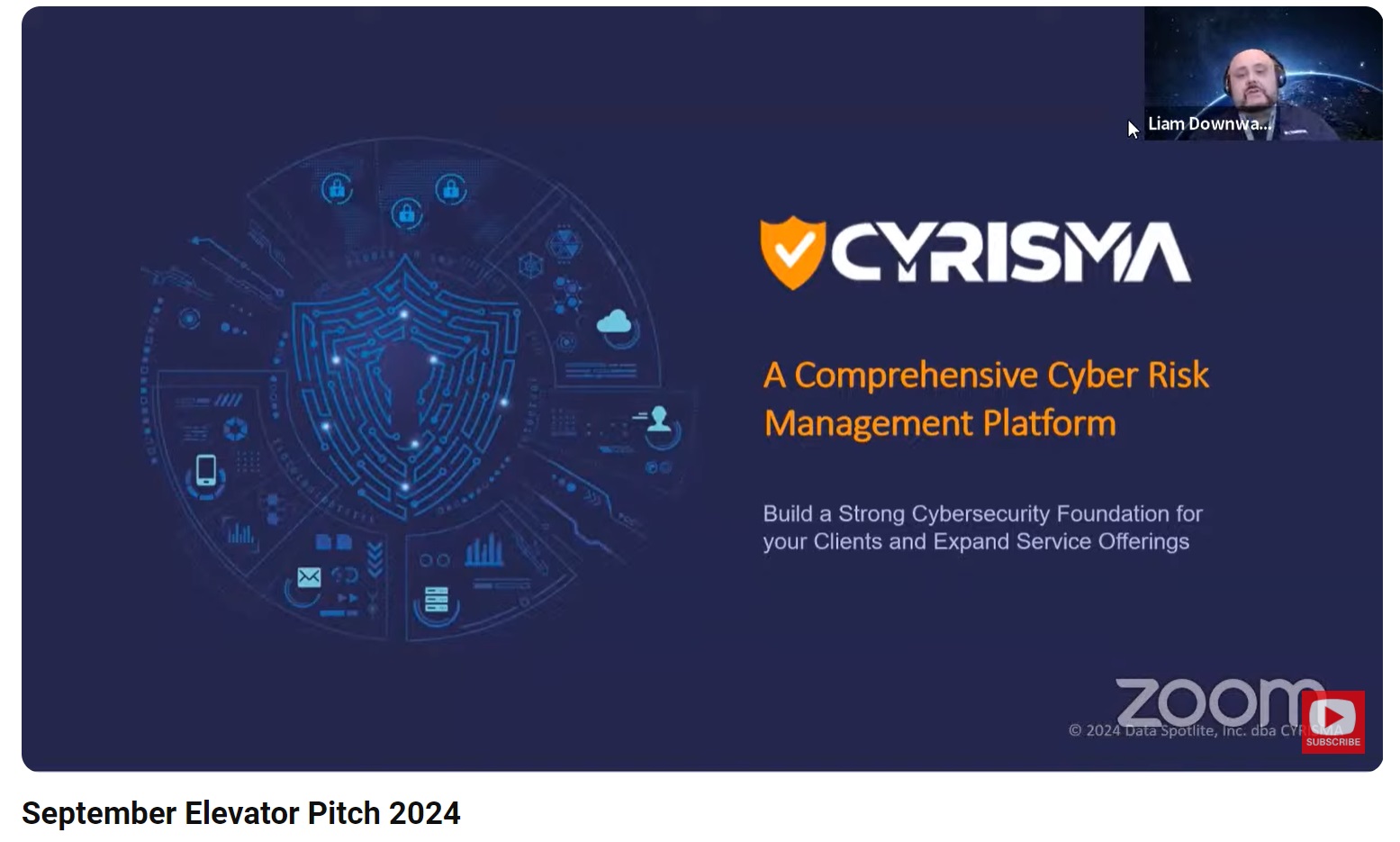
MSP Initiative Live with CYRISMA Co-Founder Liam Downward
MSP Initiative’s George Bardissi talks to Liam Downward about his IT and cybersecurity journey, how CYRISMA was developed, and how the platform addresses current challenges faced by MSPs
MSP Initiative Live with CYRISMA Co-Founder Liam Downward
MSP Initiative’s George Bardissi talks to Liam Downward about his IT and cybersecurity journey, how CYRISMA was developed, and how the platform addresses current challenges faced by MSPs
Guides



Turn risk into revenue
Get a Demo